Skip to content
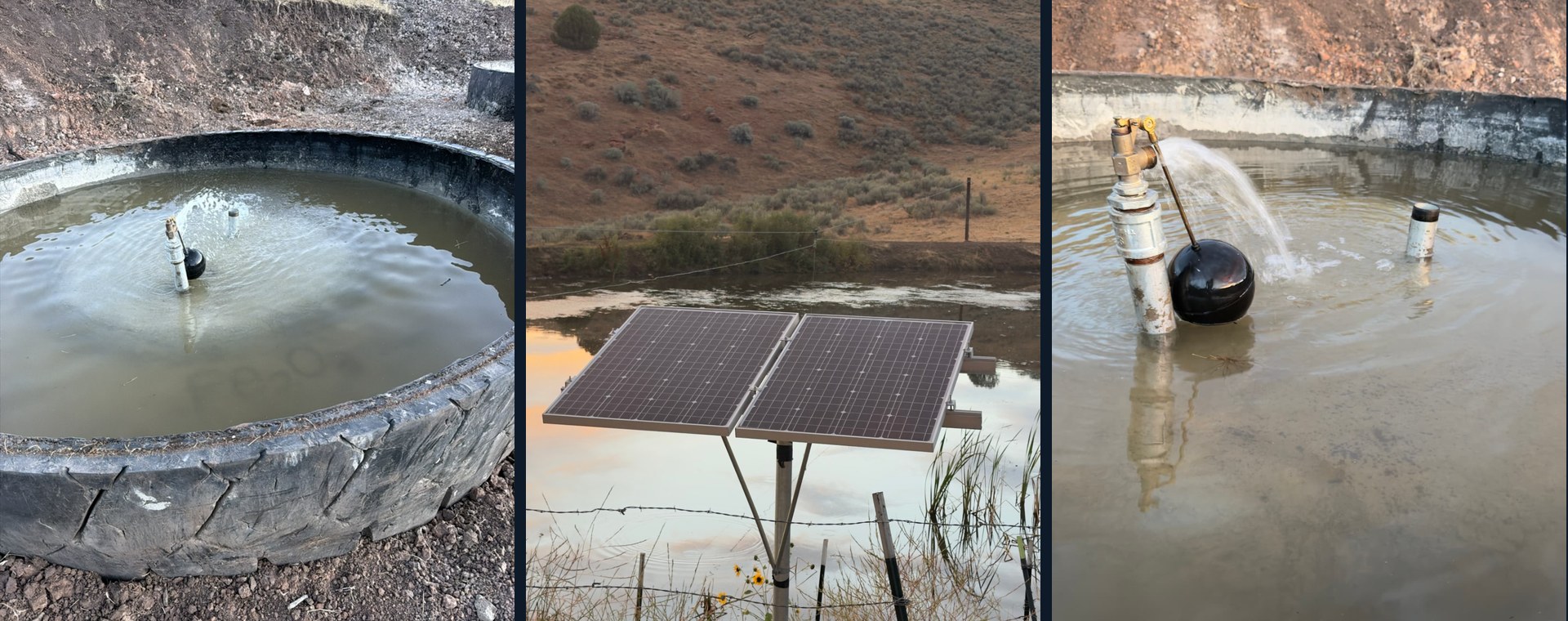
Three views of the ranch water system side by side: a livestock trough, a solar array beside a stock pond at sunset, and a float valve filling a trough.

Warrior Rizen Ranch · Morgan County, Utah

Ranch
Innovations

Solar technologies power a watering system that moves water throughout the ranch — preserving water, reducing runoff and adding water resource access for livestock and wildlife.

Technology in service of the land

Solar-powered water.
Smarter stewardship.

Warrior Rizen Ranch uses solar technologies to power a watering system that moves water throughout the ranch. Moving water where it is needed preserves water, reduces runoff, and adds water resource access for livestock and wildlife. It is one more way the ranch cares for the land while serving veterans, law enforcement officers, first responders and their families.

By moving water across the ranch, the system supports the working operation and the livestock and wildlife that share the land.

On the ranch

The innovations.

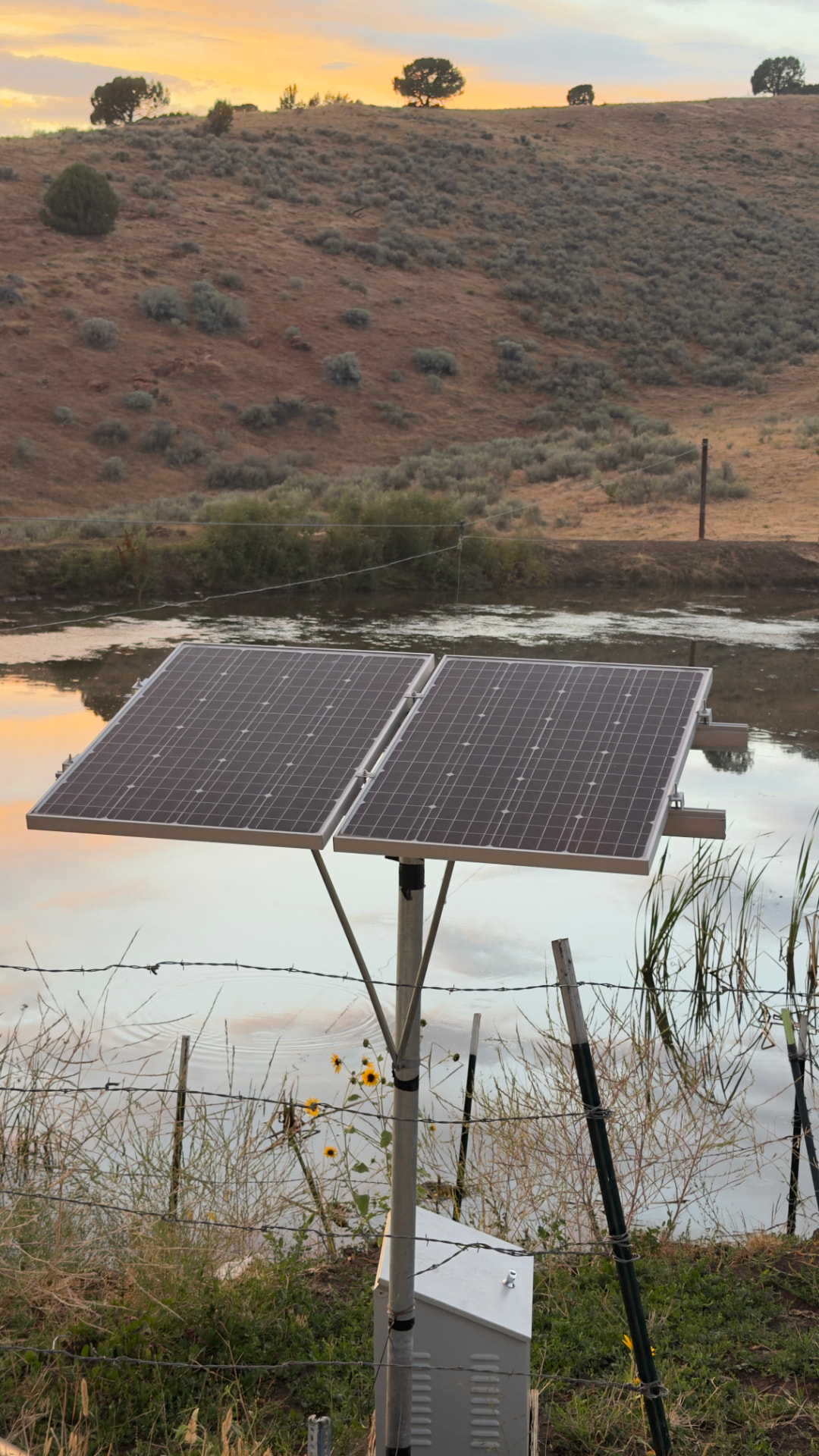
Solar panel array on a pole at the edge of a ranch pond at sunset

Solar technology

Solar-Powered Watering System

Solar technologies power a watering system that moves water throughout the ranch.

The ranch's watering system is powered by solar technologies. Solar power lets the system move water across the ranch without depending solely on grid electricity, keeping water flowing to where it is needed.
Water distribution

Moving Water Across the Ranch

The watering system moves water throughout the ranch, delivering it where it is needed.

Instead of water pooling in one place, the system moves water throughout the ranch. Water reaches pastures and watering points across the property, supporting the working operation and the animals that depend on it.

Water conservation

Preserving Water & Reducing Runoff

Delivering water where it is needed preserves water and reduces runoff.

By moving water to where it is needed, the system preserves water and reduces runoff. Less water is lost to runoff, and more of it goes to productive use on the land.

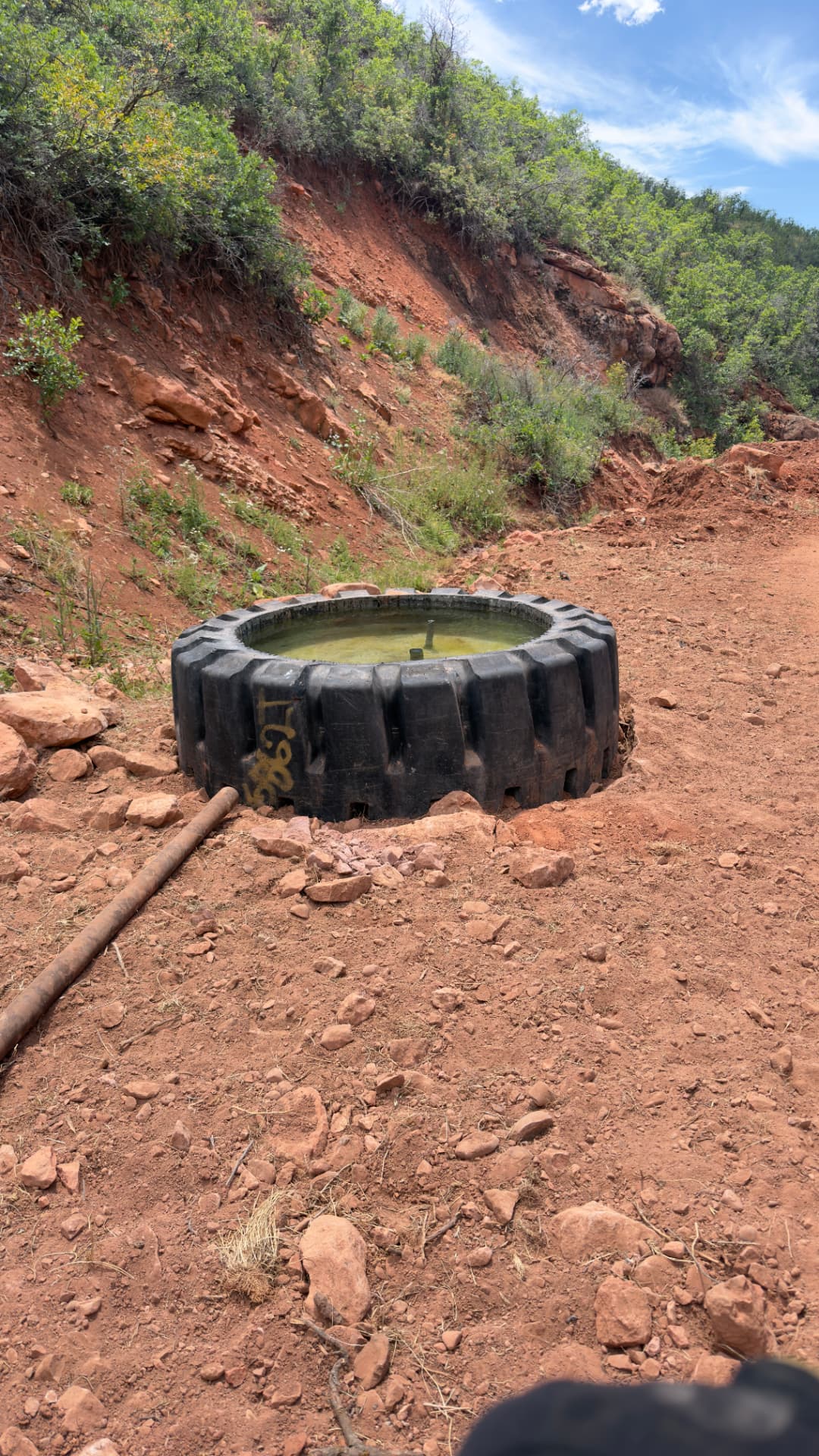
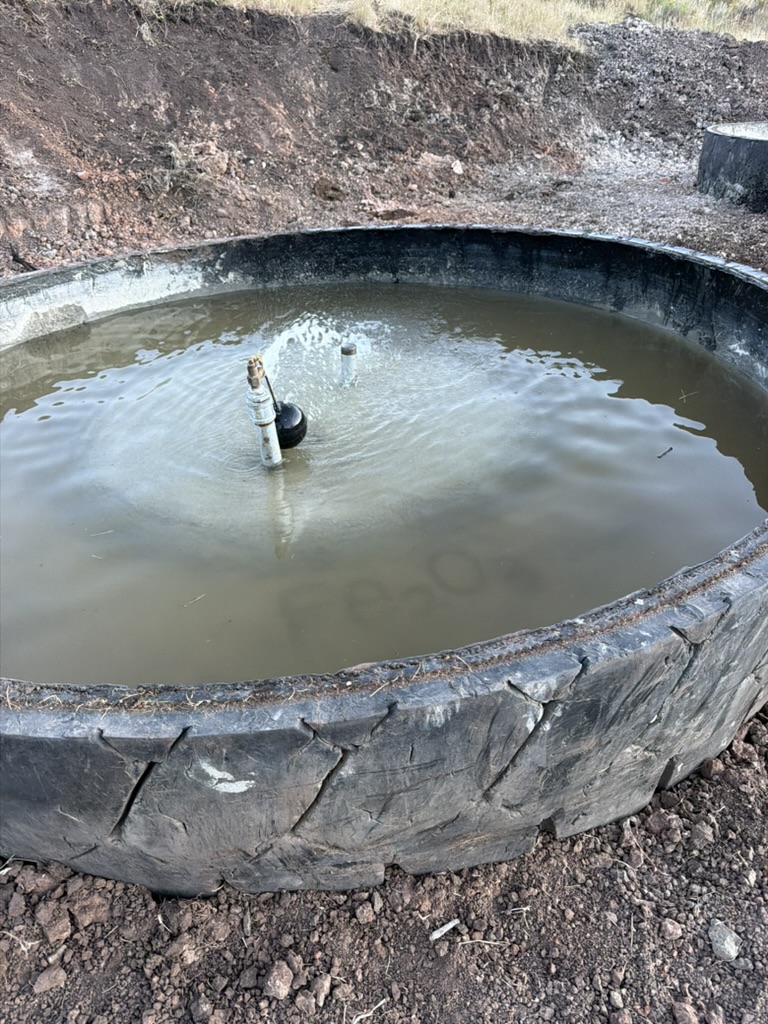
Water flowing into a large tire water trough for livestock on the ranch

Wildlife & livestock

Water for Livestock & Wildlife

The system adds water resource access for livestock and wildlife.

The watering system adds water resource access for livestock and wildlife. Reliable water points serve the ranch's animals while also supporting the wildlife that share the land.

The conservation plan

Virtual fencing + solar water, planned with USDA-NRCS.

Warrior Rizen Ranch (5 S Land and Livestock, LLC) has prepared a draft EQIP conservation project with the USDA Natural Resources Conservation Service. The plan pairs GPS virtual-fence collars with distributed solar-powered livestock water to enable adaptive rotational grazing across the ranch — improving grazing distribution, plant recovery, soil health, water access and drought resilience.

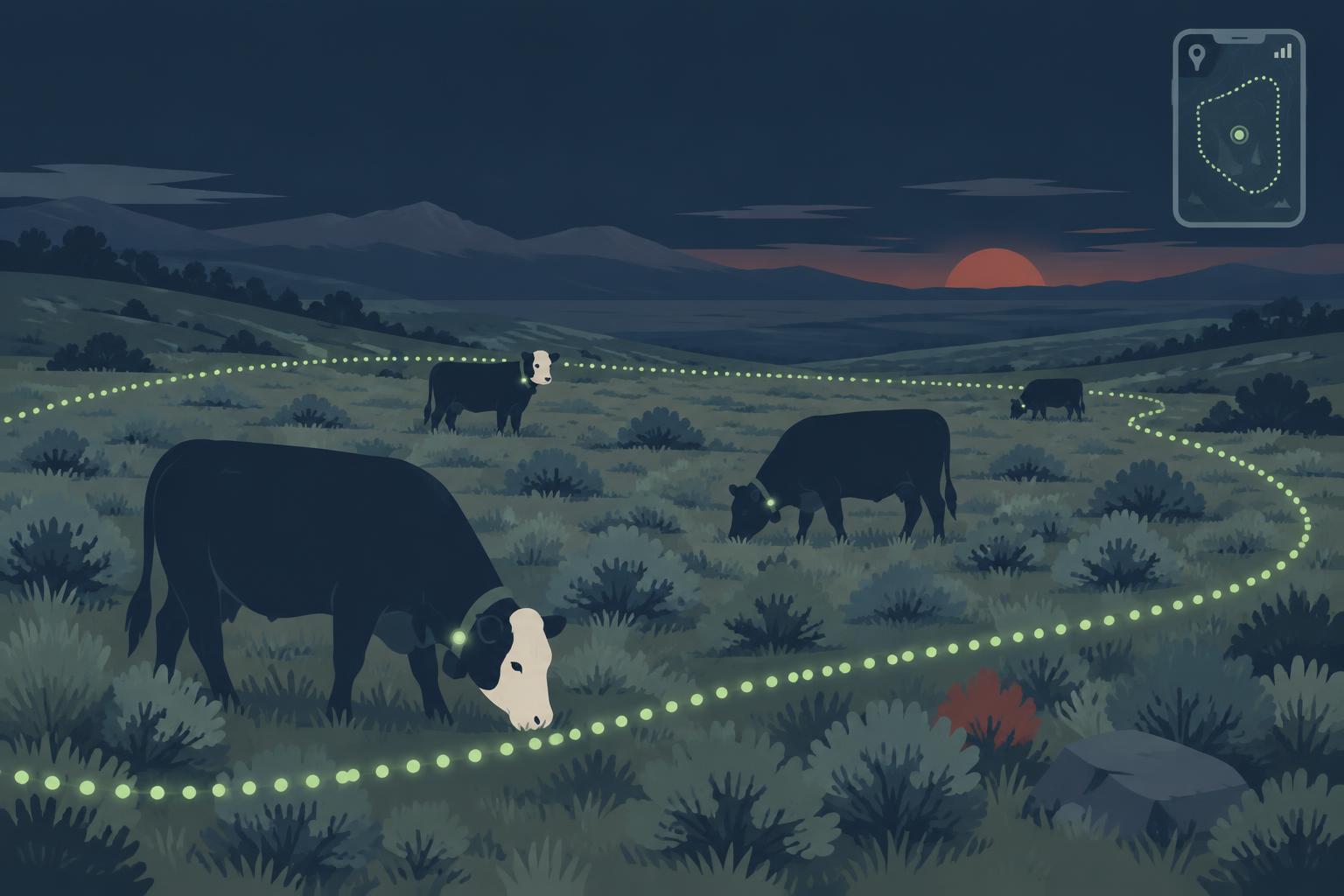
Illustration of cattle wearing GPS virtual-fence collars grazing inside a glowing digital boundary on sagebrush rangeland

Virtual fencing

GPS-enabled collars let the ranch create and move grazing boundaries from a phone or computer — no permanent cross-fence required. Cattle are rotated between planned grazing cells based on forage, plant recovery, season and water availability, while sensitive or recovering areas can be excluded with a line on a map.

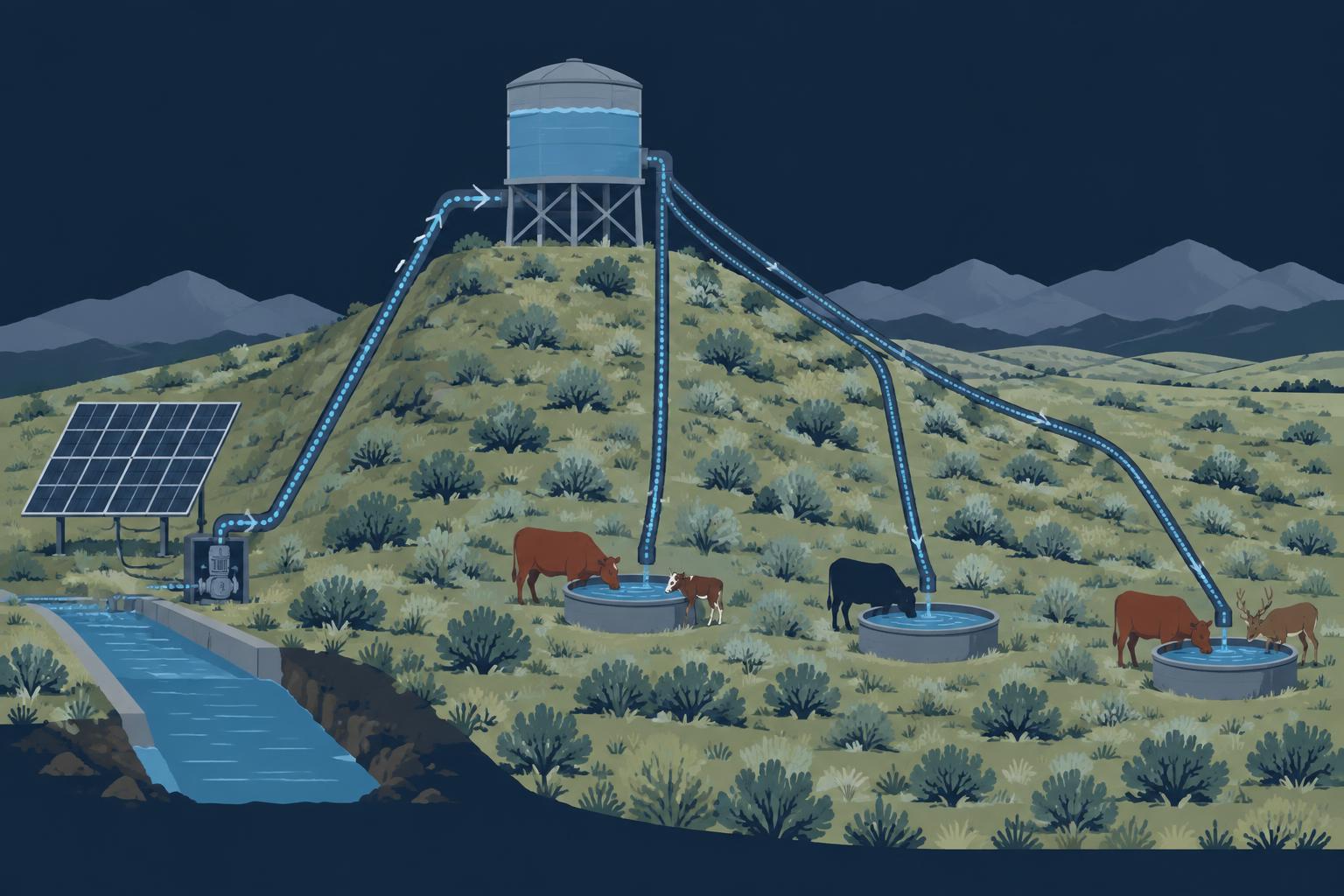
Illustration of a solar pump lifting canal water up a hill to a storage tank, then gravity-feeding livestock troughs across the range

Solar water, north & south

The existing North Ranch solar system already pumps water to high-elevation storage and distributed troughs. The proposed South Ranch project would lift canal water roughly 470 vertical feet by solar pump to a 5,000-gallon high tank, then gravity-feed three more watering facilities — so virtual paddocks can be designed around both forage and water.

~7,500 ft

of proposed pipeline carrying water across the South Ranch

12,500 gal

of distributed water storage planned across four tanks

470 ft

vertical lift handled by the solar pumping plant

95 → 200

mother cows supported as forage and water capacity allow

Planned water demand

Planning allowance of 30 gallons per cow and 10 gallons per calf per day:

  • 95 cow-calf pairs — about 3,800 gal/day
  • 150 cow-calf pairs — about 6,000 gal/day
  • 200 cow-calf pairs — about 8,000 gal/day

NRCS conservation practices

The draft plan is built around recognized EQIP practices:

  • 382 — Fence (virtual fence system)
  • 516 — Livestock Pipeline
  • 533 — Pumping Plant (solar)
  • 614 — Watering Facility
  • 528 — Prescribed Grazing

Figures are from the ranch's draft EQIP planning documents and are preliminary — final designs, quantities and specifications are established or approved by NRCS.

On the ground

The system at work.

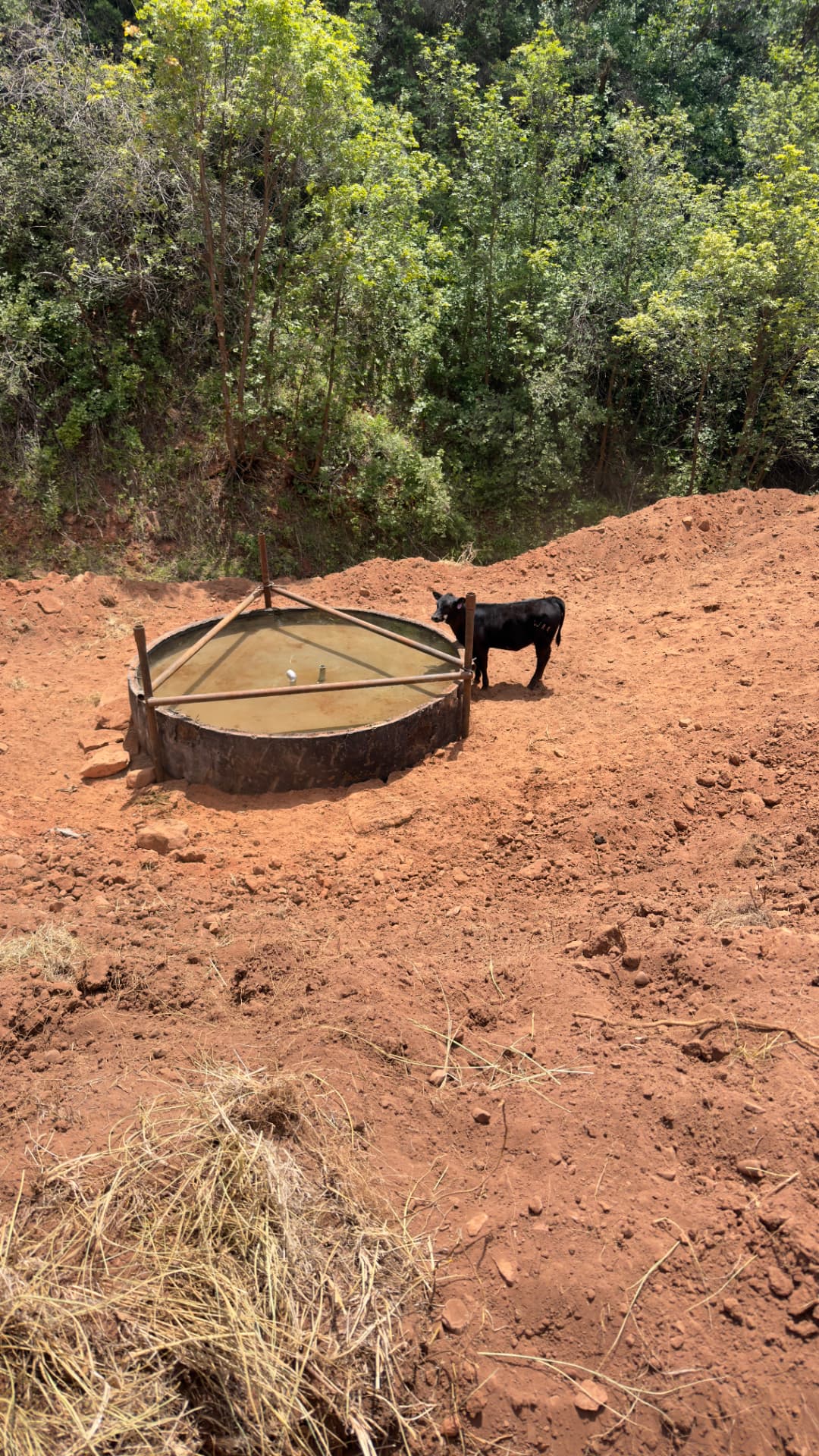
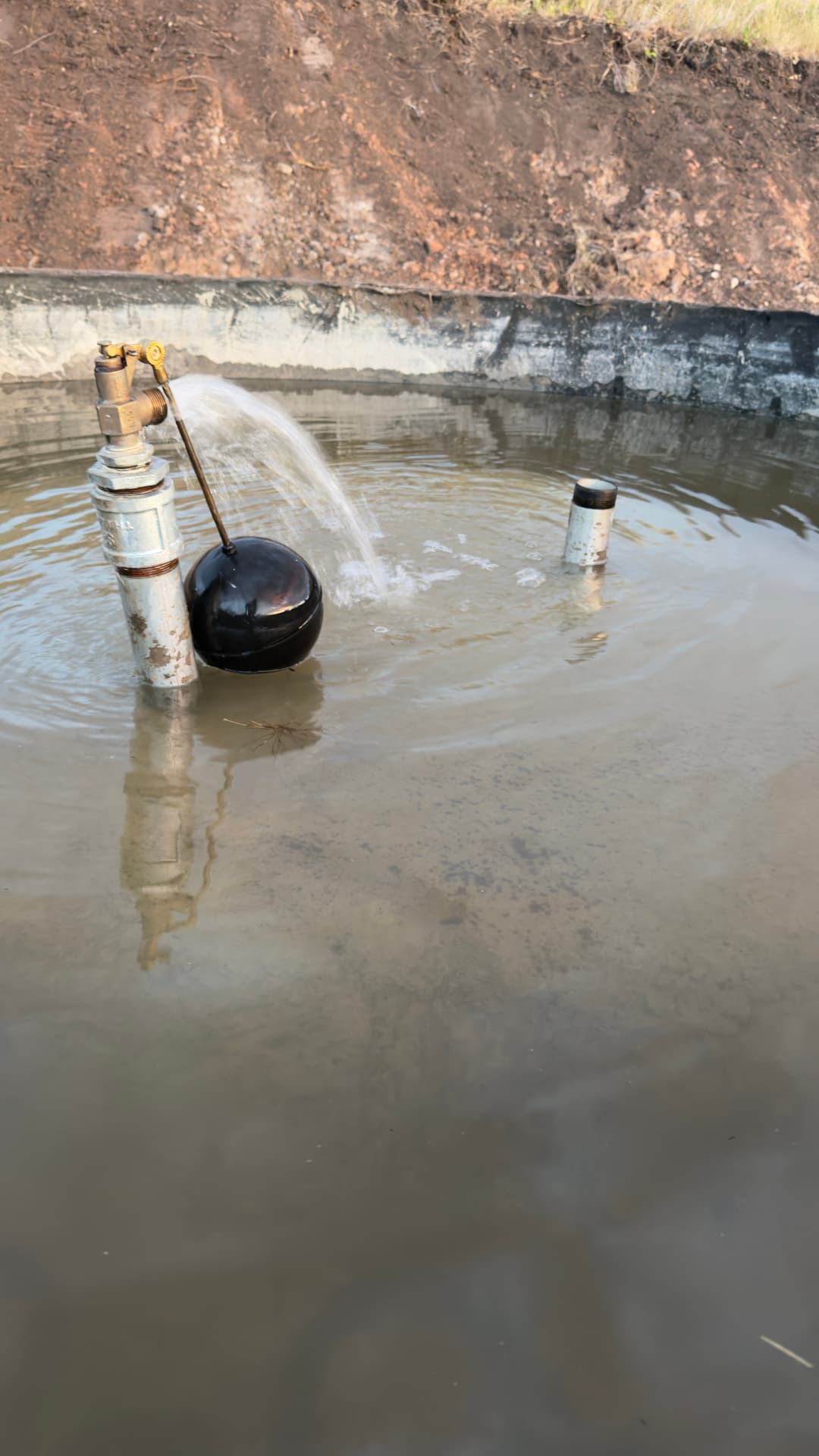
A black cow drinking at a round trough fed by the ranch water system, set in red dirt below oak brushA large tire water trough installed in a red-rock canyon draw on the ranchA float valve filling a livestock trough with fresh water from the solar-powered system

What the system does

Every drop put to work.

Preserving water

Moving water through the ranch helps preserve the resource across daily operations.

Reducing runoff

Water is delivered where it is needed instead of running off the land.

Water for livestock & wildlife

The system adds water resource access for livestock and wildlife alike.

Get involved

Help us care for the land.

Stay connected.